- April 29, 2026

Seventy percent of bodily-injury claimants retain attorneys, creating a market where thousands of firms compete for the same cases. Most managing partners respond by increasing ad spend or adding staff. The firms that win take a different approach entirely.
Learning how to position a personal injury firm to stand out in a crowded market requires strategic thinking, not tactical volume. The most successful firms build differentiated positions that flow through every client touchpoint, from initial search to final settlement. This creates a predictable growth engine that generates qualified leads consistently while competitors burn through budgets on generic messaging.
Ready to convert scattered marketing efforts into a systematic competitive advantage? Law Firm Fractional CMOs embeds seasoned marketing executives directly into your leadership team to build the positioning and operational systems that drive sustainable growth.
Most personal injury firms treat positioning like a marketing exercise when it should be treated like a business strategy. A strong personal injury firm positioning strategy requires leadership decisions about which clients to serve, which cases to prioritize, and which competitive battles to avoid. The firms that break through market noise make explicit choices about their focus and back those choices with operational excellence.

Positioning is fundamentally a leadership responsibility that demands clear trade-offs. Your firm cannot be the best choice for every accident victim in every situation. Successful positioning means choosing your ideal client profile, preferred case types, and geographic focus. When you try to serve everyone, you become the obvious choice for no one. Leadership alignment on these decisions creates the foundation for all marketing and operational decisions that follow.
Once leadership alignment is achieved, test your positioning hypotheses in the market quickly rather than spending months debating internally. A 90-day sprint allows you to validate your positioning assumptions with real prospects before committing significant resources. Launch targeted campaigns, track intake quality, and measure case conversion rates. Our experience shows firms can identify winning positions and eliminate weak ones within this timeframe, preventing costly long-term investments in unproven strategies.
Your positioning strategy must reflect actual market conditions, not internal assumptions about what clients want. Research which competitors dominate specific case types, where demand concentrates geographically, and which channels deliver the highest-value cases. Comprehensive market analysis reveals gaps where your firm can establish dominance. Strategic planning that incorporates share of voice data across search, local service ads, and review platforms helps you identify underserved opportunities where your positioning can gain traction faster and more cost-effectively.
Need help identifying what truly differentiates your firm from local competitors?
Strategic competitor analysis for personal injury firms goes beyond counting billboards and checking Google rankings. You need systematic intelligence that reveals where competitors are overextended, underinvested, or missing opportunities entirely. The personal injury market includes over 50,000 businesses with no single firm holding more than 5% market share, creating significant positioning opportunities for firms that use data-driven analysis rather than gut-feel decisions about where to compete. Here’s how to conduct this strategic analysis:

A compelling, unique value proposition for a personal injury law firm starts with solving one specific client pain point better than anyone else in your market. Rather than claiming to handle “all personal injury cases,” successful firms position themselves around precise problems like rapid medical network access for catastrophic injuries or specialized litigation readiness for commercial vehicle accidents. Once you’ve identified your specific pain point, this category design approach transforms your firm from another PI option into the obvious choice for specific case types. Back every positioning claim with concrete proof assets: documented response times, medical partner networks, trial verdicts by category, and client outcome data that prospects can independently verify.
The strongest positioning becomes meaningless without operational follow-through that makes promises real in every client interaction. Your intake process becomes the first proof point of your differentiated value, requiring documented procedures that actually deliver the speed, expertise, or specialized care you promise. If you position as a “Rapid-Response Motor Carrier Claims Unit,” your intake team needs scripted protocols for immediate accident scene coordination and carrier notification within 2 hours of first contact. This operational consistency across intake, case management, and client communication transforms your law firm branding from marketing copy into a measurable client experience that drives referral growth and review velocity.
Most personal injury firms approach branding as merely logo and tagline creation. Effective branding strategies for personal injury law firms deliver measurable differentiation. They create a complete system that guides every client touchpoint, from the first Google search to the final settlement check.

Your brand operates as a connected system where positioning informs messaging, messaging shapes visual identity, identity supports proof elements, and proof creates consistency across every channel. When a potential client sees your Google ad, visits your website, reads your reviews, and calls your intake team, they should experience the same clear value proposition. This systematic approach transforms scattered marketing efforts into a cohesive client experience that accelerates client preference and choice.
Injured clients make decisions while dealing with pain, medical bills, and insurance pressure. Research from the American Bar Association shows they prioritize specific trust indicators: review volume and recency, demonstrated expertise in their case type, transparent fee structures, and clear timelines. Your brand strategy should make these elements immediately visible and credible across all touchpoints.
Structure your messaging in layers that guide client decisions. Start with your headline differentiator that sets you apart from competitors. Add case-type anchors that show specialization. Include evidence modules like verdicts, settlements, and client outcomes. Finish with risk reducers that address common concerns about fees, timelines, and process transparency. This hierarchy helps clients process information quickly and builds confidence in their choice.
Every brand claim needs supporting proof. A personal injury marketing transformation case study shows how one firm increased signed cases by 3x by aligning their positioning with measurable proof points. Client testimonials, case results, attorney credentials, and response time guarantees turn brand promises into believable commitments. According to Harvard Law’s research on client choice, evidence-backed positioning significantly influences selection decisions.
With your positioning and brand strategy defined, your messaging architecture becomes the operational system that transforms website visitors into signed clients. This framework translates your strategic differentiation into copy that serves specific decision moments while meeting ethical requirements for truthful, substantiated claims.
Your visual identity becomes a decision-making shortcut for prospects evaluating multiple firms while dealing with injuries, medical bills, and insurance pressure. The goal is not to impress other lawyers but to build immediate trust with injured clients who need clarity, not creativity.

Need help turning your firm’s strengths into a clear, compelling brand message?
Your brand strategy and positioning create the foundation for differentiation, but without proper measurement, you cannot optimize what works or eliminate what wastes budget. Data-driven marketing for personal injury firms connects every marketing dollar to actual case outcomes through systematic tracking and analysis. When you measure the total cost to acquire each new client (customer acquisition cost or CAC) alongside case values and conversion rates, marketing becomes a predictable revenue generator rather than an uncertain expense.
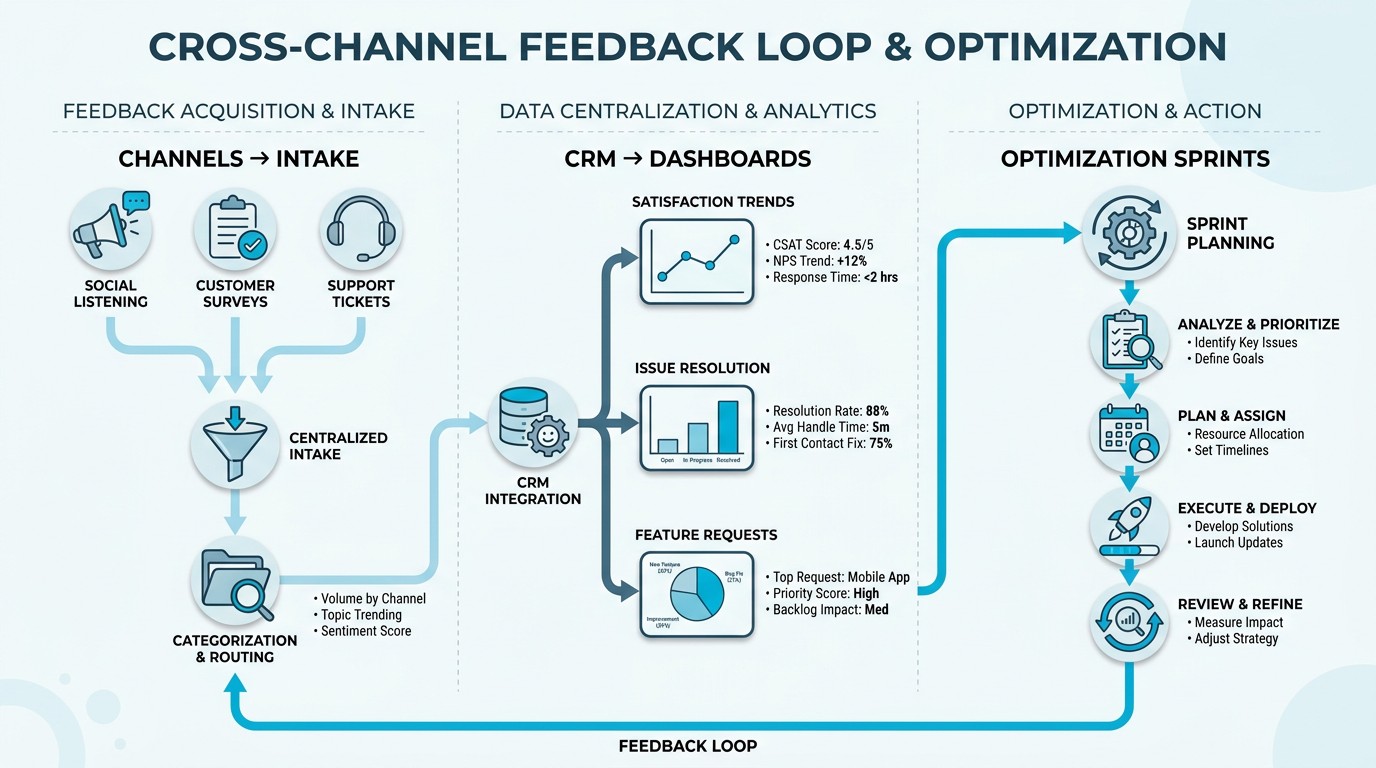
Smart firms align their marketing budgets to acquisition cost targets that factor in case type, lead quality, and intake close rates. A motor vehicle accident lead might cost $800 but convert at 35% with an average case value of $45,000, while a slip-and-fall lead costs $400 but converts at only 15% with a $12,000 average value. Google Ads attribution reports help you track these conversion paths and optimize spend allocation. The goal is engineering profitable unit economics, not chasing vanity metrics like cost per lead.
Your measurement infrastructure needs call tracking, CRM attribution, intake disposition codes, and regular optimization cycles to work effectively. Start with call tracking numbers for each channel, integrate your CRM with ad platforms using tools like the Google Ads API, and create intake codes that capture lead source, case type, and disposition. Run 21-day review cycles to analyze which channels deliver the highest-quality leads and adjust budgets accordingly. This systematic approach to building your growth engine requires executive-level oversight to maintain consistency and accountability.
Once you identify profitable channels, create systematic content clusters and landing page optimization to amplify what works. Build a 38-topic content pillar map covering high-intent keywords, optimize your Google Local Services Ads and PPC campaigns for case-specific queries, and develop conversion-focused landing pages for each practice area. Smart marketing analytics help you scale efficiently by doubling down on channels that deliver profitable cases while cutting spend on underperforming sources. The result is predictable growth driven by data, not guesswork.
Client experience for personal injury firms becomes a growth engine when you codify service standards that clients actually feel during stressful moments. Research shows that trauma-informed practices improve client interactions by establishing predictable communication patterns, proactive case updates, and transparent timelines. Your firm should implement a structured service protocol covering medical coordination, weekly status calls, and clear milestone explanations. When clients know what to expect and when to expect it, anxiety drops and satisfaction rises, creating the foundation for client referrals.

Once these standards are in place, peak satisfaction moments become your referral acceleration points. Case acceptance, favorable medical reports, and settlement announcements—these are when clients feel most grateful and willing to help your firm grow. Automate review requests within 24 hours of these milestones using templates that reference the specific service delivered. Personal injury intake systems should trigger these asks automatically while tracking response rates by attorney and case type. Measure what drives results: aim for under 5-minute response times to new leads, 15+ reviews monthly, and maintain 4.8+ star ratings across all attorneys. These law firm KPIs become leading indicators of sustainable growth, not just vanity metrics.
Managing partners implementing positioning strategies need tactical answers grounded in measurable results. These responses draw from successful transformations at mid-sized personal injury firms and address the most common execution challenges.
Focus on category design rather than generic messaging. Position your firm as a “Catastrophic Injury Trial Team” or “Rapid-Response Motor Carrier Unit” instead of just another PI firm. Emphasize compassion, results, and specialized experience while maintaining consistent visual identity. Support these claims with specific verdicts and case outcomes to build credibility.
Start with a measurement stack that tracks cost-per-signed-case by channel and case type. Use this data to reallocate budgets from underperforming channels to high-conversion opportunities. Our comprehensive guide demonstrates how firms achieve 3x growth through strategic budget optimization based on real performance metrics.
Client experience validates your market position through tangible actions. Implement measurable standards like 15-minute response times and proactive case updates. Optimized intake processes convert 40% more leads while generating review velocity that compounds your market presence. Satisfied clients become your most credible marketing channel through referrals and testimonials.
Expect initial traction within 90 days using a structured implementation approach. One firm tripled its signed cases within nine months by systematically implementing brand, intake, and channel improvements. Review and optimize every 21 days to accelerate momentum and validate your market approach with real data.
Focusing on tactics instead of strategy. Firms often redesign websites or increase ad spend without clarifying their unique position first. Brand consistency across all client touchpoints matters more than flashy creative. Embedded marketing leadership helps align every element to reinforce your position systematically.
Positioning your personal injury firm requires more than clever messaging—it demands building scalable marketing systems that operate like business infrastructure. Smart firms are moving beyond traditional marketing approaches toward integrated growth engines that connect positioning, demand generation, intake, and client experience into one predictable system.

The path forward is clear: firms winning in saturated markets commit to measurement-driven execution with clear timelines and accountability. A 90-day validation sprint with 21-day optimization cycles and a structured 40-topic content roadmap transforms positioning from theory into market advantage. Forward-thinking managing partners building tomorrow’s successful practices understand that sustainable growth comes from systems, not campaigns.
Ready to build your growth engine with executive-level leadership, Law Firm Fractional CMOs embeds seasoned marketing executives directly into your leadership team to design and execute the positioning strategy your firm needs to dominate your market.